You know, I was thinking about how to start writing about this trip, especially because it happened back in 2022, and I didn’t really know where to begin.
So I guess we’ll start from the beginning, while accepting that there are definitely a few details I’m probably going to forget.
This trip happened a few months after Mexico, in the following spring. The COVID lockdowns were starting to come to a close — for the first time, at least — and I was just beginning to feel the start of what would become my travel addiction.
After Mexico, something had switched on in me.
As a guy who had just travelled to what I thought of as “South America” at the time — yes, I know Mexico is technically North America, but emotionally, to my inexperienced traveller brain, I was basically Indiana Jones now — I thought it would be a great chance to visit a place I had never been before.
Around that time, I was hearing a lot of noise from friends who had recently travelled to Spain. Since I had just come back from Mexico and was already missing it, and since I was also way too overconfident in my linguistic abilities, we decided Spain would be our next stop.
But because flight prices were low, and because we were still very green when it came to travelling, we wanted to get the most out of the experience. We had limited time, a limited budget, and the classic early-traveller disease of thinking, “What if we just hit as many countries as possible?”
So that became the plan.
We flew into Portugal, stayed there for about a week, and then travelled into Spain.
By pure happenstance, we were also able to squeeze in an overnight layover in Switzerland, all on one round trip. So in our minds, this was basically some elite European expedition.
In reality, it was two guys with a budget, limited planning, and enough confidence to be dangerous.
Landing in Portugal
Portugal.
Our flight was about seven hours long, and when we finally got there, the first thing that hit me was the number of tourists who also happened to be there around the same time.
The second thing that hit me was the weather.
It was about 20 to 25 degrees Celsius, much hotter than I expected. Coming from Canada, especially after months of grey skies and cold air, it felt like we had landed in another world.
Again, we had not done much planning up until this point, because apparently we believed travel planning was something that happened to other people.
So the first thing we did after landing was go directly to our hotel, which ended up being more like an apartment building.
A very old apartment building.
It had two old beds and a washroom that barely felt like it had a door. Technically, there was a sliding door, but it didn’t really make the washroom feel separate from the rest of the room. It was more like the room had a washroom corner and everyone was expected to just spiritually accept that.
Given that we were on a budget, we didn’t really mind.
At least, not for the first few days.
The last few days made us want to kill each other.
There is something about two grown men sharing a small old room with questionable bathroom separation that really tests the limits of friendship. Forget trust falls. Put two friends in a budget European apartment for a week and see what survives.
Walking Through Lisbon
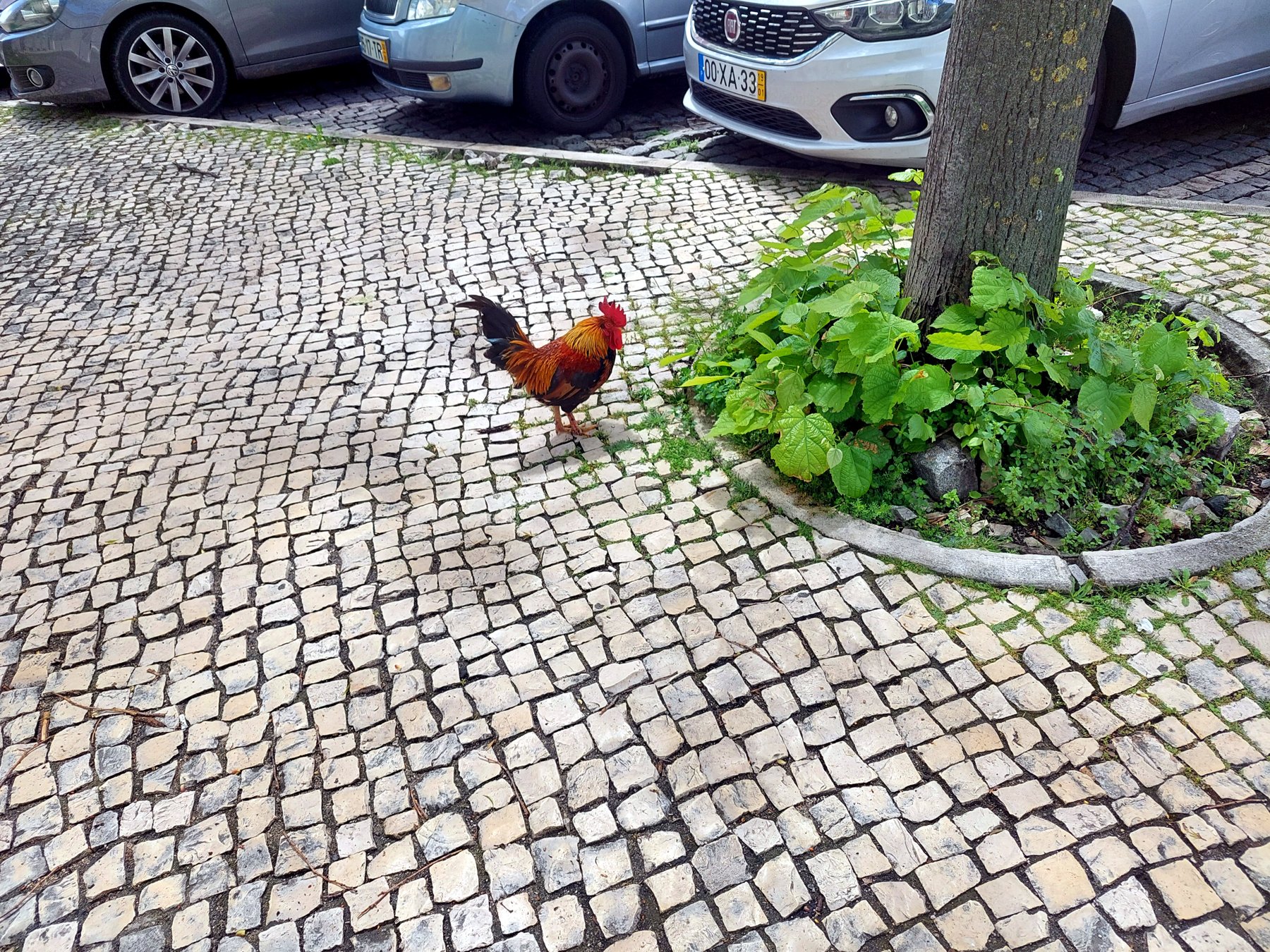
We spent the first few days walking around the older city, as well as the newer side of Lisbon.
The city felt alive.
There were people walking everywhere. There were also a lot of people who did not seem to be working during what we thought were working hours, which confused our North American little productivity-programmed brains. But the city was bright, busy, and full of energy.
Looking back, it’s honestly tough to clearly differentiate the newer side of Lisbon from Toronto, aside from the cooler walking signs, streetlights, and the general European sense that someone thought about aesthetics for more than five minutes.
But the older side of the city was different.
That was where Lisbon started to feel like Lisbon.
While we were walking around, a tourist-snatching cab, chariot, European tuk-tuk driver called out to us. And as innocent tourists, we went.
He charged us 50 euros to take us on a tour around Lisbon, which we happily agreed to, because again, we were fresh travellers. If someone approached us confidently enough with a price and a vehicle, apparently that counted as a plan.
Luckily, the thing was motorized, so I didn’t have to worry about this poor man trying to bicycle my fat ass up all the winding, elevated roads of Lisbon.
And that is something you learn quickly about Lisbon: the city is not flat.
Not even remotely.
Lisbon is basically a city built by someone who looked at a hill and said, “Perfect. Let’s make people walk up this while pretending it’s charming.”
Old Stones, New Crowds
What was interesting about Lisbon was how full of older architecture it was, while still feeling very modern because of how many tourists were walking around.
At times, it was honestly a little frustrating.
Everything felt so commercialized in certain areas. I can’t remember one street corner without remembering a group of teenagers taking selfies on it. Every beautiful alleyway seemed to come with someone doing a photo shoot or blocking traffic for the perfect Instagram angle.
And listen, I get it.
I was also a tourist.
I was also probably walking around looking amazed and confused, taking pictures of old walls like I had discovered time travel. But still, there were moments where I wished the city could breathe a little.
The cool part about the older city, though, along with the castles, statues, pillars, and rustic alleyways, was the history layered into it.
There were Middle Eastern and Arabic roots throughout the city, mixed with ancient European influences. That makes sense in hindsight, given that the Iberian Peninsula was full of bustling trade routes, cultural exchanges, conflicts, kingdoms, and empires back in the day.
But seeing it in person was different.
It was enriching to notice how all of these cultures and histories connected together in places that, at first glance, might just look like a cool rustic alleyway.
That’s one of the things travel started teaching me around this time: every street has layers. You can walk through somewhere and just see a nice building, or you can realize that building is sitting on top of centuries of people moving, fighting, praying, trading, cooking, surviving, and leaving pieces of themselves behind.
And then, of course, a tourist takes a selfie in front of it.
Balance.
My First Real Nata
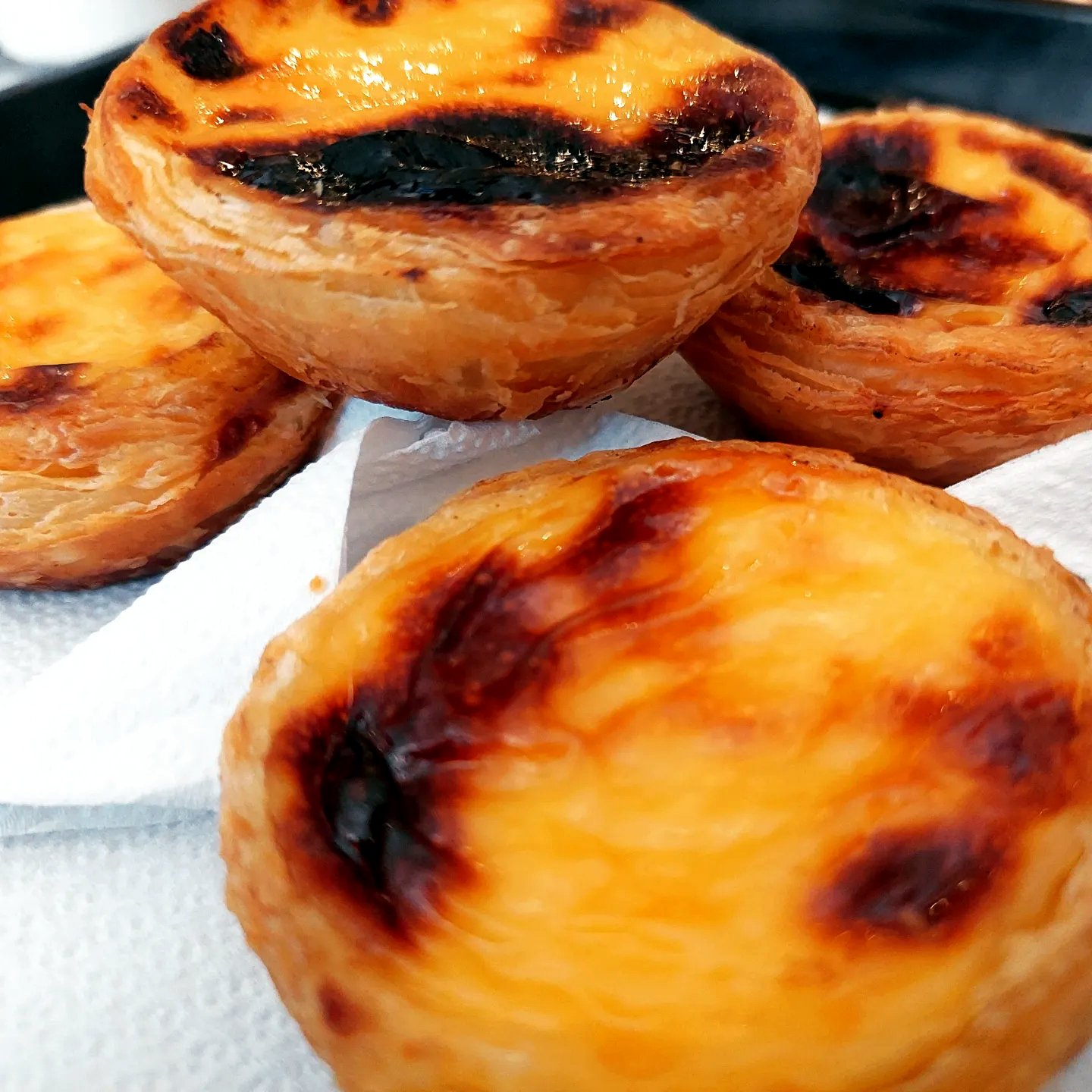
We also had the chance to try a nata in a relatively newer café right beside the castle.
As you can expect, I ate more than one.
And yes, it was way better than the stuff you get here.
There are certain foods that are good when you try them at home, but then you go to the actual place
There are certain foods that are good when you try them at home, but then you go to the actual place and realize what you had before was basically a costume. Like someone looked at a proper pastel de nata and said, “What if we made this sadder?”
In Portugal, it was different.
The pastry was flaky, the custard was rich, and it had that perfect warm sweetness that makes you understand why people become deeply annoying about food after travelling.
I was becoming one of those people.
Slowly.
Dangerously.
Lisbon: The Accidental Peloton Class
After checking out more of the city, Brendan and I had the opportunity to walk around.
I call it an opportunity now, because hindsight is generous.
At the time, it felt like a Peloton workout without an instructor.
The roads would constantly wind, rise, drop, curve, escalate, de-escalate, and generally disrespect our legs at every corner.
It was a great workout.
Not a requested workout. But a great one.
There’s something humbling about being a Canadian tourist in Europe and realizing that the city itself is the gym. You don’t need a treadmill in Lisbon. You just need to exist outside for 40 minutes and make one wrong turn.
Accidentally Walking Into Fine Dining
One of the first few days there, Brendan and I walked into a restaurant called Santelmo.
We thought it looked rustic and figured we were about to get a real authentic Portuguese experience.
Turns out, we had accidentally signed up for fine dining.
As we were taken to our seats, we noticed that we were the only ones there wearing T-shirts and shorts.
Everyone else looked like they were in their mid-to-late fifties and dressed like they either owned property or knew which fork was for what.
We did not.
But we were already seated, so we had to commit.
This ended up being where we tried octopus.
I had eaten octopus before, but never like this. It was a plate of grilled tentacles with all the bread you could eat on the side. It was delicious, and surprisingly simple once you realized it was basically octopus, salt, and olive oil.
That was also my first real introduction to European side dishes.
Every dish seemed to come with bread, some type of oil, and olives as far as the eye could see.
Before this trip, I didn’t enjoy olives.
Honestly, I still don’t really go out of my way for them. But this trip did unlock the ability for olives to show up on my food without me squealing in agony, which I think counts as personal growth.
And if I’m being honest, they were delicious.
Salty, yes, but not as briny as the ones you get in the West. They tasted fresher, less aggressive, and less like someone was trying to punish me for ordering a salad.
Portugal made olives tolerable.
That alone deserves respect.
The Algarve
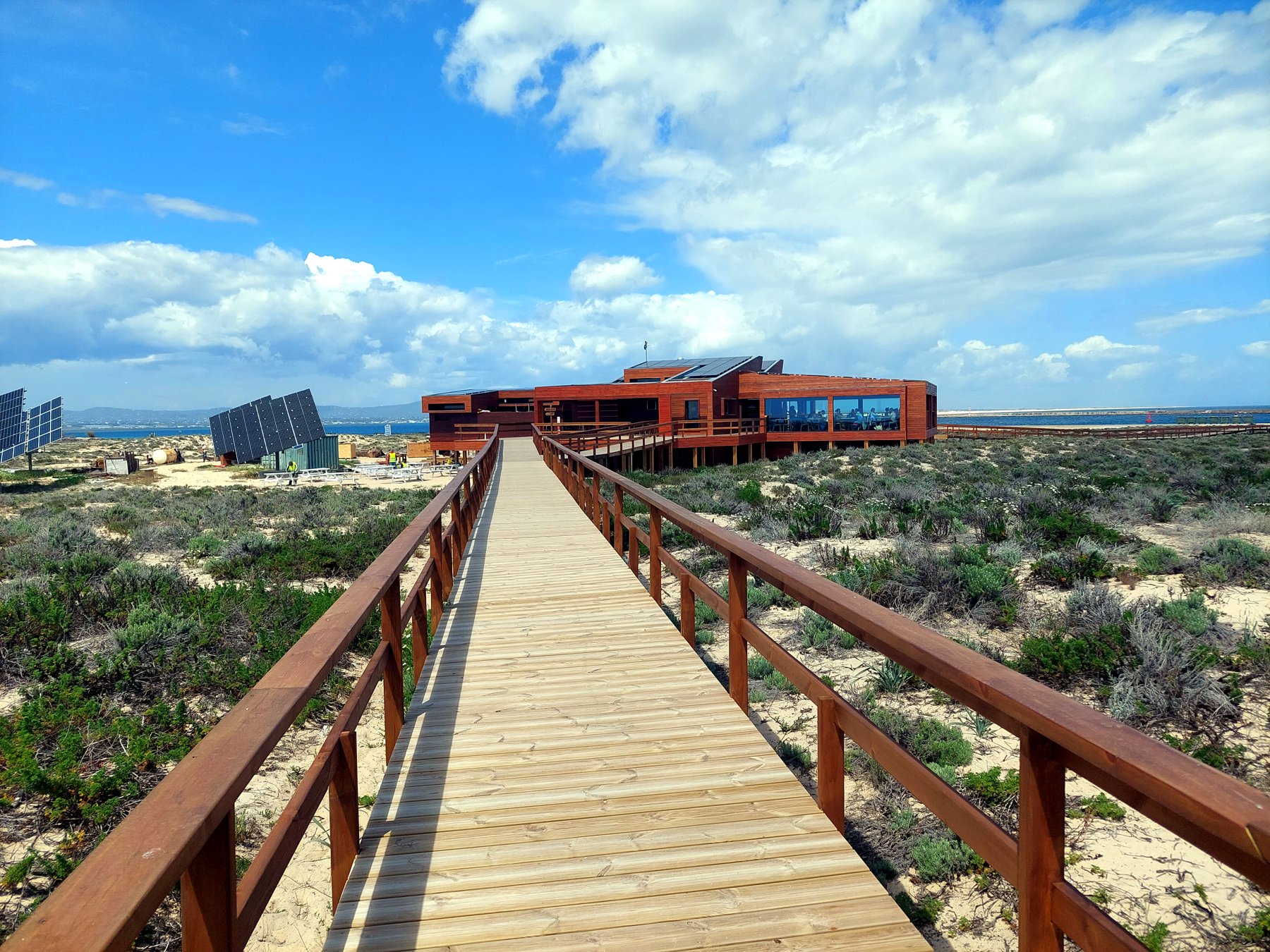
Another key experience in Portugal, outside of Lisbon, was the Algarve.
We booked it for relatively cheap using FlixBus. I think the bus ride cost about $30, which felt like an insane deal.
We wanted to get a taste of the lesser-travelled side of Portugal.
Again, looking back, it was not exactly “lesser-travelled.” The Algarve is not some hidden village only accessible by ancient map and goat. But at the time, compared to Lisbon, it felt like we were seeing a different side of the country.
It also allowed us to meet locals who weren’t directly from the city, which made the experience feel
It also allowed us to meet locals who weren’t directly from the city, which made the experience feel more grounded.
And the Algarve was beautiful.
It was mostly coastal, with plenty of docks and easy-to-access islands. One of the islands we went to was Ilha Deserta.
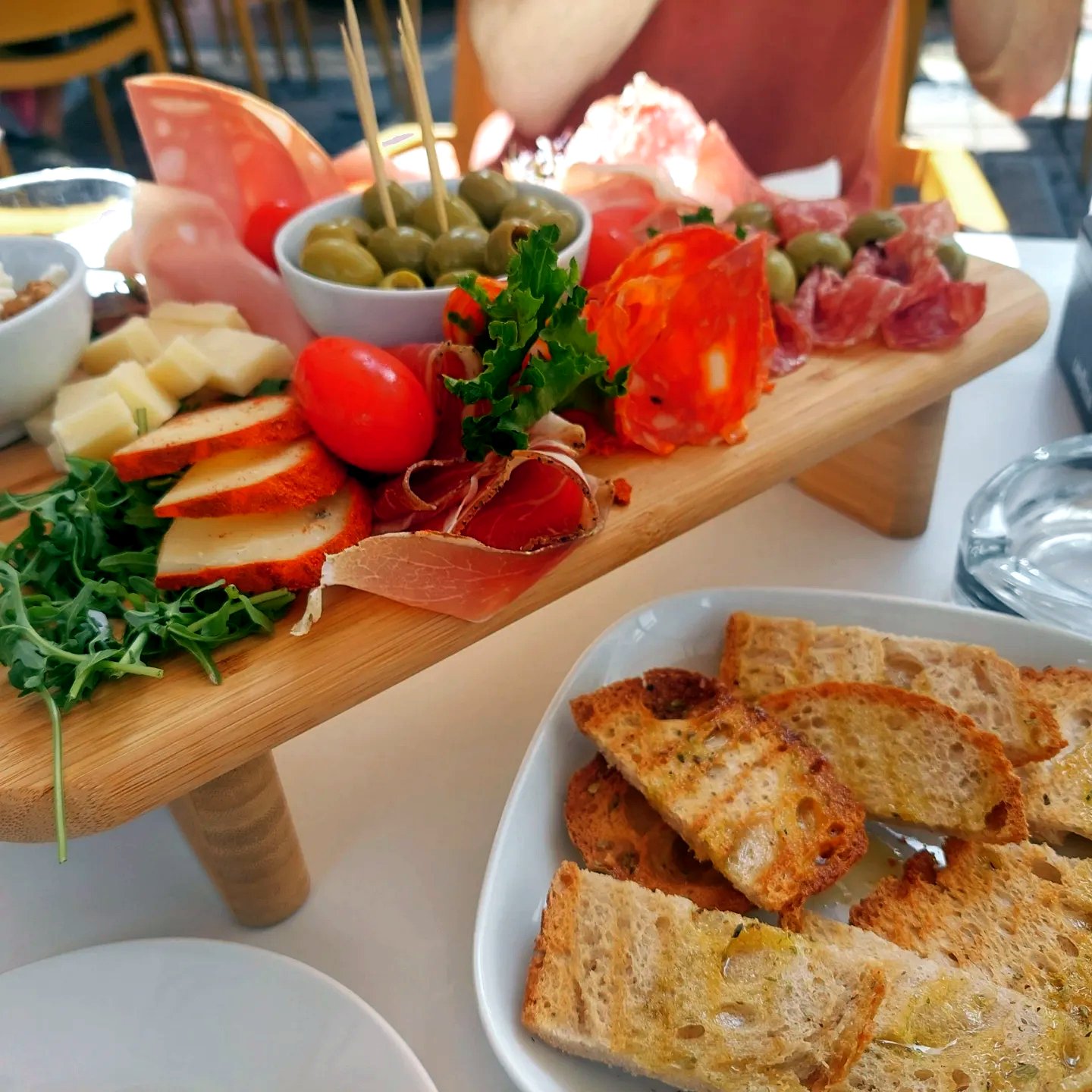
Before heading over, we stocked up on some delicious charcuterie and tapas. I still remember one part of that platter clearly: crackers, ricotta, honey, and walnuts.
I hadn’t really tried that kind of salty-sweet cheese pairing before this trip, but after coming back, I basically took a crash course in every salty, sweet, cheesy combination known to mankind.
Ricotta, honey, walnuts, crackers.
Elite.
Simple, but elite.
It was one of those food combinations that made me feel like I had been living incorrectly up until that point.
Ilha Deserta
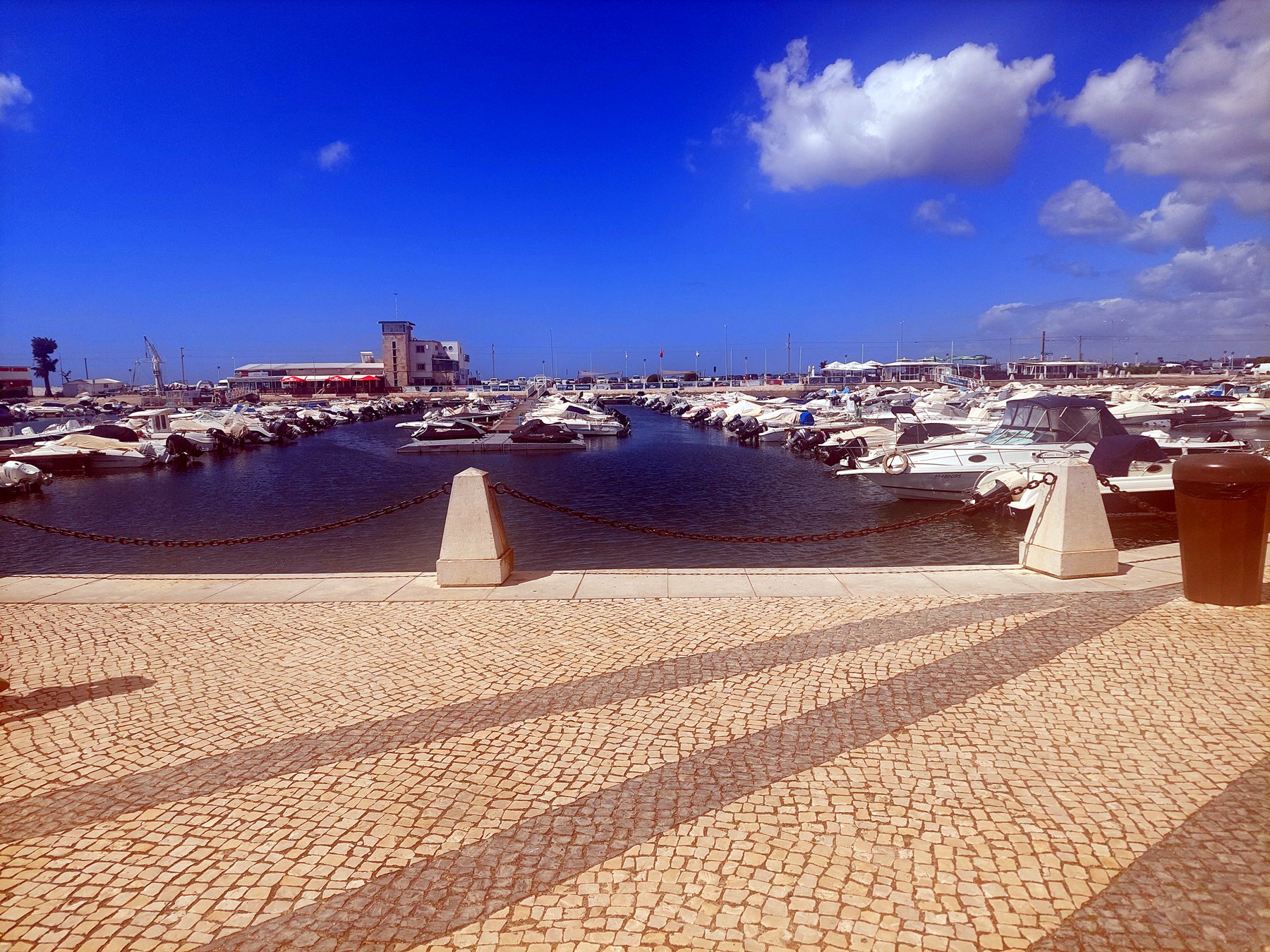
The island itself was beautiful.
We had to wait for a speedboat to take us there, and once we arrived, it was exactly what the name suggested: deserted and an island.
Very honest branding.
What caught my attention immediately was the number of seashells scattered everywhere. There were thousands of them, in every shape and size. Some were as big as my open palm.
It felt like the whole island had been decorated by the ocean.
We had packed our swimming trunks thinking we were in for a proper beach day. What we didn’t realize was that this was not a regular coastline like the one we had visited in Cancun.
This was the Atlantic Ocean.
And yes, the water was very Atlantic.
We would step in for a maximum of 20 seconds and then run the fuck out because our legs were freezing.
Later in the day, the weather itself warmed up, but the water stayed freezing. The ocean did not care about our comfort. The Atlantic had a brand, and that brand was “suffer.”
Luckily, we had packed beach towels and beer, so honestly, what more could you ask for?
We relaxed on the beach, marvelled at the open ocean, and thought about the fact that home was technically directly in front of us.
Give or take a few thousand miles.
There was something strange and beautiful about that. Standing on an island off Portugal, looking out at the Atlantic, knowing that somewhere across that massive stretch of water was Canada.
Travel has a funny way of making the world feel both enormous and connected at the same time.
Oysters at Restaurante Estaminé
After spending time on the beach, we went to the small island restaurant in the centre before heading back to Lisbon for our next flight.
The restaurant was called Restaurante Estaminé.
It was also fine dining, but we didn’t eat too much. We mainly chose that spot to finally try oysters.
I’m not a fan of clams or mussels, but for some reason, oysters had always looked cool to me.
Or at least the people eating them looked cool.
There’s just something about someone eating oysters that makes them look like they have investments, linen shirts, and opinions about wine.
So we tried them.
And exactly as expected, oysters were like salt-flavoured boogers.
Great with lemon.
Without much reason to try again.
But still cool.
And honestly, that’s a lot of travel food experiences. Sometimes you try something not because you expect it to become your favourite food, but because you want to know. You want to experience the
expect it to become your favourite food, but because you want to know. You want to experience the thing for yourself. You want to finally understand what the hype is about.
In this case, I understood it.
Sort of.
Not enough to order a dozen, but enough to respect the aesthetic.
Back Toward Lisbon
After that, we returned for a few final stops.
We even visited some of the suburbs and spoke with a few locals. One of them owned a small Mexican boutique store with snacks that we tried.
We felt a special connection with this person because of our overwhelming experience in Mexico.
And by overwhelming, I mean life-changing, tequila-damaging, bathroom-destroying, spirituallyexpanding Mexico.
So finding a little Mexican store in Portugal felt strangely full circle, even though it probably meant absolutely nothing in the grand scheme of things.
But that’s the funny part of travel. Your brain starts making connections everywhere.
A snack shop becomes a symbol. A street becomes a memory. A random conversation becomes a lesson. A pastry becomes a personality trait.
Leaving Portugal
Eventually, it was time to make our way to the airport for our next stop: Spain.
Quick side note: the flight between Portugal and Spain was only $51 Canadian.
$51.
That’s cheaper than some Uber rides in Toronto if the weather is bad and the algorithm decides you personally deserve financial punishment.
And because it was within Europe, no one really asked us for much information. It felt efficient, smooth, and weirdly easy.
Dare I say, the Portuguese airline — TAP Air Portugal — beat the efficiency of Toronto Pearson Airport by a mile.
Or at least, that trip did.
Honestly, at that point in my life, Europe felt like a cheat code.
Cheap flights, old cities, good food, random fine dining accidents, freezing oceans, ancient streets, and the constant feeling that I had only scratched the surface.
Portugal was not the whole trip.
It was only part one.
But it was the part where I started to understand that Mexico had not been a one-time thing.
The travel bug had bitten me.
And apparently, there was no cure.